
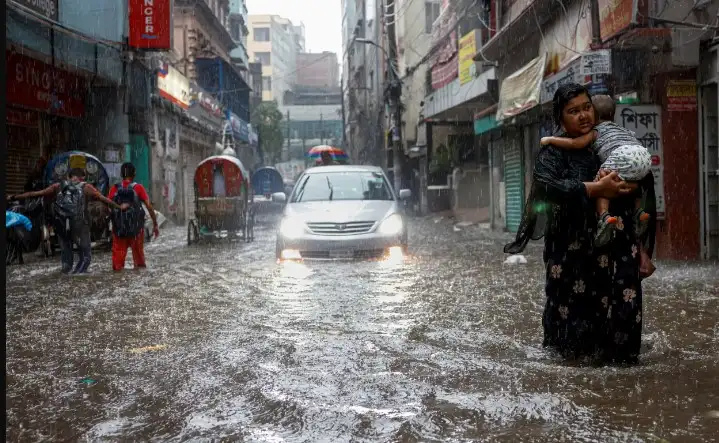
Global climate emergencies are increasing with a frequency and intensity that can no longer be considered normal. In different parts of the world, historic floods and extreme heat waves are causing loss of life, economic damage, and constant strain on infrastructure and emergency systems.
These phenomena do not occur in isolation. Each new event confirms that the impact of climate change is accelerating and directly affects daily life.
Extreme Phenomena Are Increasingly Intense
In recent months, multiple regions have recorded intense rainfall exceeding historical records, while others face temperatures that pose a risk to public health.
Experts point out that:
- The rains are more concentrated and destructive
- Heat waves last longer
- Weather seasons are less predictable
- Cities are not prepared for these extremes
This pattern is repeated across different continents, reinforcing global concern .
Global Climate Emergencies and Record Floods
When global climate emergencies intensify, flooding is often the most visible impact. Overflowing rivers, collapsed homes, and mass evacuations have become recurring scenes.
The main consequences include:
- Destruction of homes and communities
- Loss of crops and food
- Damage to roads, bridges and basic services
- Forced displacement of thousands of people
Areas with fewer resources are often the most vulnerable.
Extreme Heat Waves and Health Risks
While some regions are struggling with excess water, others are facing record temperatures for weeks. Heat waves are especially affecting children, the elderly, and people with chronic illnesses.
The most common effects are:
- Increase in heat-related illnesses
- Increased demand for electricity
- Shortage of drinking water
- Reduction in labor productivity
Health systems are also under increasing pressure.
Government Response to the Climate Crisis
Faced with an increase in extreme weather events, governments are strengthening emergency plans and adaptation measures. However, many acknowledge that current responses are insufficient.
Among the most common actions are:
- Early warning systems
- Improving resilient infrastructure
- Faster evacuation plans
- International cooperation in disaster management
Even so, the speed of climate change outpaces many response capabilities.
Global Climate Emergencies and the Economic Impact
The escalation of global climate emergencies also has a significant economic impact. Financial losses associated with natural disasters increase every year, affecting both local and global economies.
The sectors most affected include:
- Agriculture and food production
- Transport and logistics
- Tourism
- Insurance and financial services
This puts more pressure on public budgets and the cost of living.
Why are these events intensifying?
Scientists agree that global warming is amplifying extreme weather events. The rise in the planet’s temperature is disrupting traditional weather patterns.
Main factors:
- Greenhouse gas emissions
- Deforestation
- Accelerated urbanization
- Changes in the oceans and atmospheric currents
These combined elements create a more unstable climate.
Direct Impact on Daily Life
For millions of people, the consequences are already part of daily life. Climate emergencies affect income, mobility, and security.
Increasingly common situations:
- Power outages
- Food price increase
- Water restrictions
- Forced changes in daily habits
Adaptation becomes a constant necessity.
Global Climate Emergencies: What the Public Should Know
In a scenario where global climate emergencies continue to increase, information and preparedness are essential.
Basic recommendations:
- Follow official weather alerts
- Have family emergency plans
- Reduce resource consumption
- Support sustainability measures
Prevention can make all the difference .
Conclusion: A Warning Sign for the World
Global climate emergencies are no longer a future warning, but a present reality. Record floods and extreme heat waves show that the climate impact is immediate and growing.
Without faster and more coordinated action, these events will continue to affect the global economy and the daily lives of millions of people. The challenge now is to transform concern into concrete and sustained action.